
Oil Booms, Silt Curtains and Floating Barriers
Oil Booms, Silt Curtains and Floating Barriers
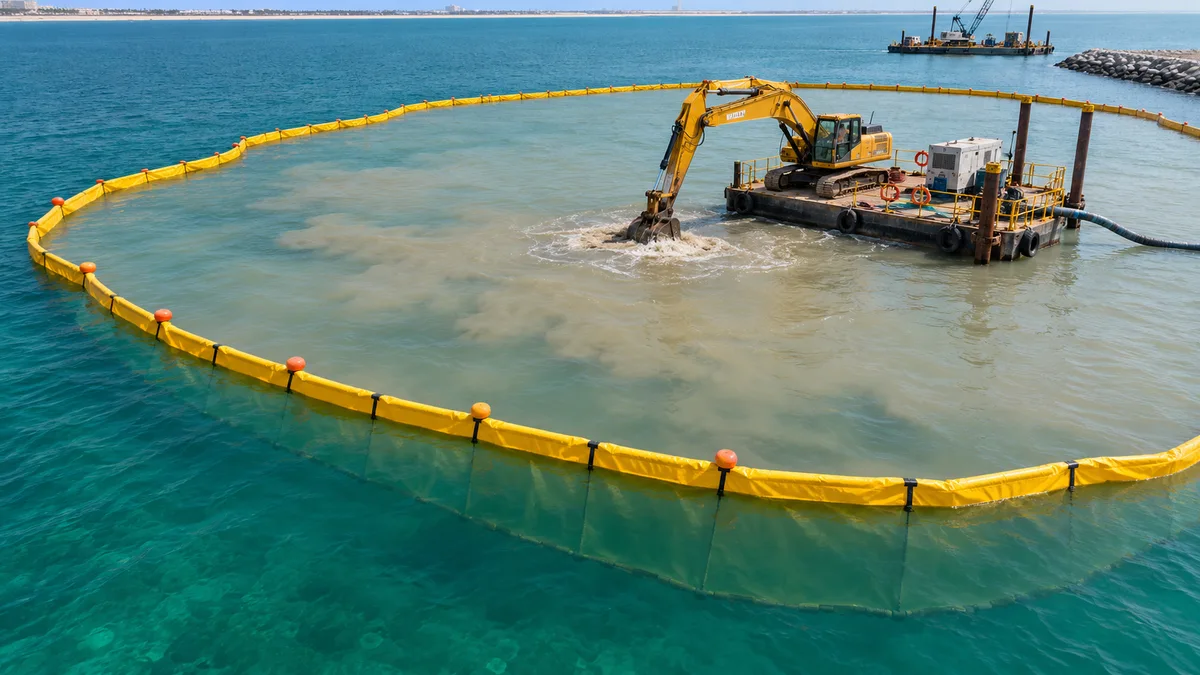
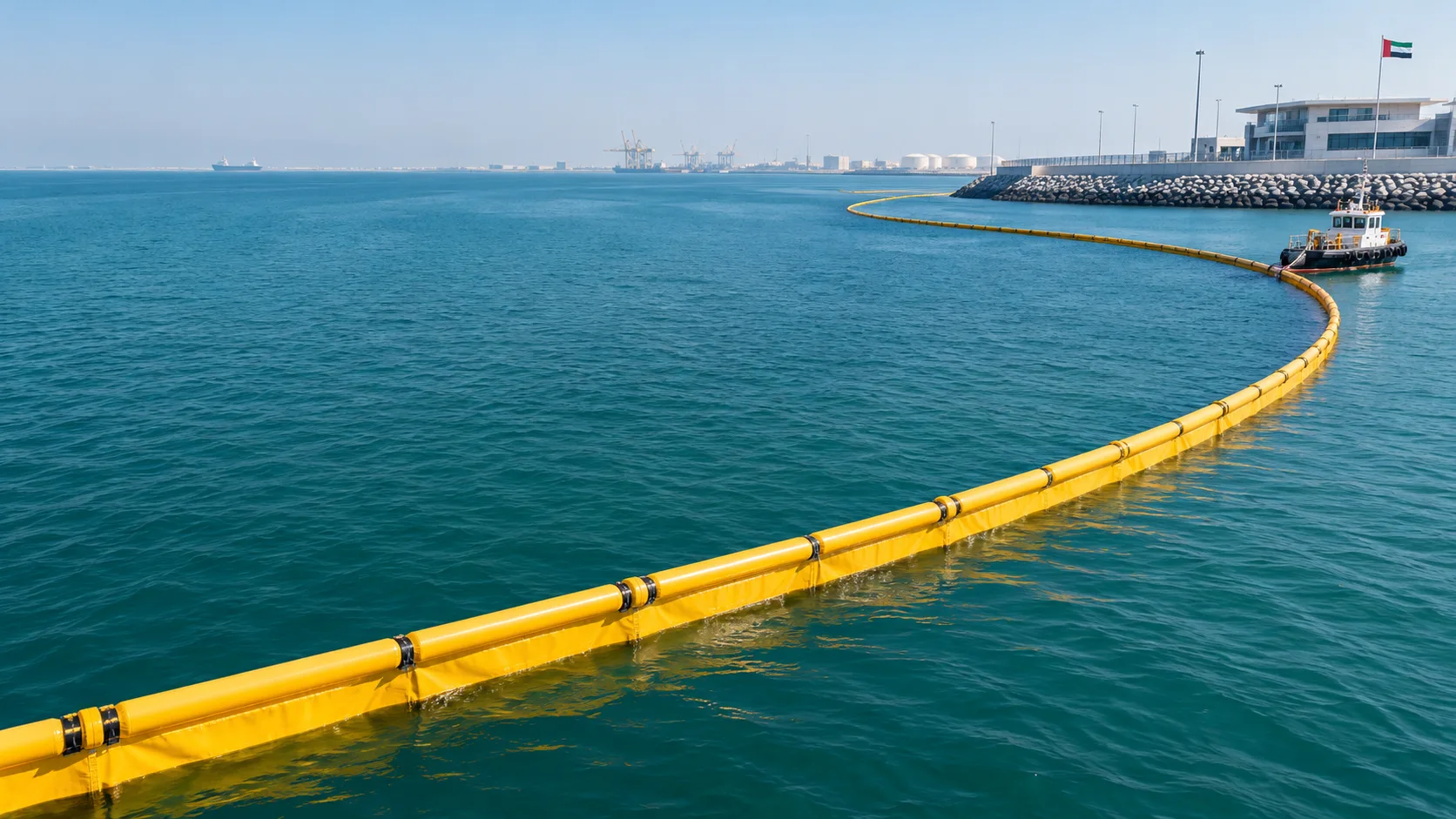
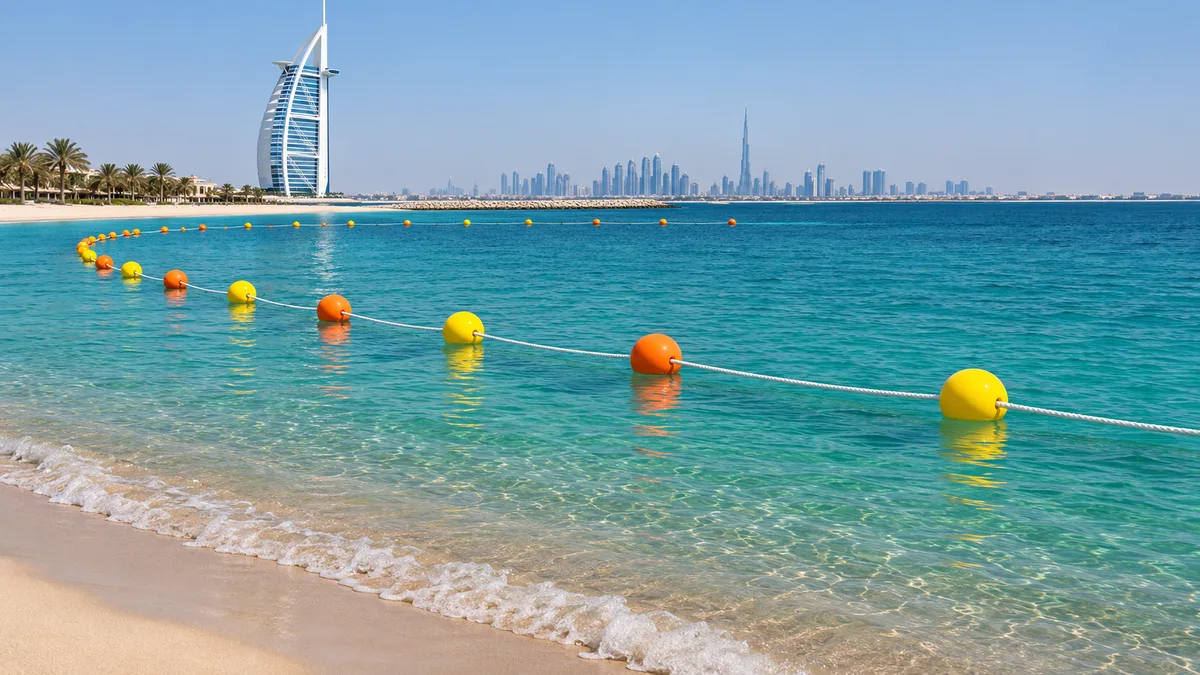
List each objective separately and connect it to the relevant product page. Oil, sediment, debris and access control may require different components or separate arrangements. Provide a drawing showing where each function is needed and identify who will operate, inspect and maintain the system.
Marine barrier applications become easier to compare when the enquiry describes both the objective and the working arrangement. Use these checks to turn a general requirement into a useful project discussion. Record what is known, identify assumptions and ask for the proposed equipment and responsibilities to be confirmed in writing.
State whether the task concerns floating oil, suspended sediment, drifting litter or the boundary of a water area. These marine barrier applications should be considered separately even when they occur at one site. Describe where the material originates and where it must be contained, diverted or collected. Do not assume that a barrier designed for one purpose will automatically perform another function.
Explain the marine work or waterfront operation that the barrier will support. Mention dredging, filling, maintenance, berth use, public swimming or other relevant activity without relying only on an industry label. Marine barrier applications at similar-looking sites can differ because the operating activity changes access, exposure and handling requirements. Identify any work phases that require the arrangement to be moved or temporarily opened.
Provide available information on depth, tides, current, waves and nearby vessel movements. Identify the source of measurements and whether they represent the intended deployment period. In marine barrier applications, the way water moves around and beneath the equipment matters as much as its visible length. Where information is uncertain, ask what additional assessment is needed before a particular model or route can be confirmed.
Share a drawing or clear description of the proposed barrier route, shoreline interfaces and any openings that must remain accessible. Explain which attachment points are available and which require assessment. Moorings and connections form part of the arrangement for marine barrier applications. Confirm compatibility and responsibility for each component rather than treating anchors, end fittings or connecting lines as incidental accessories.
Describe delivery access, assembly space, launching arrangements and the equipment available for handling. Ask how the proposed system will be retrieved, cleaned and stored after use. Marine barrier applications that require regular relocation may need different handling arrangements from a long-term installation. Identify who provides workboats, lifting equipment and personnel where relevant, and make those inclusions or exclusions visible in the enquiry.
Identify who will inspect the barrier, maintain connections and respond to visible damage or changing conditions. Where oil or litter is retained, discuss the separate means of collection and removal. For sediment-control work, identify any project monitoring requirements. Marine barrier applications depend on operation and maintenance as well as the initial equipment choice, so the quotation should make these responsibilities clear.
Review the manufacturer information, drawings, quantities and service inclusions for the actual proposal. Confirm the intended deployment period and any requirements for permissions or supporting documents. This overview of marine barrier applications supports initial planning; it does not establish suitability, certification or availability for a particular model. Use the product and service pages to prepare focused questions before agreeing the final technical and commercial package.
