

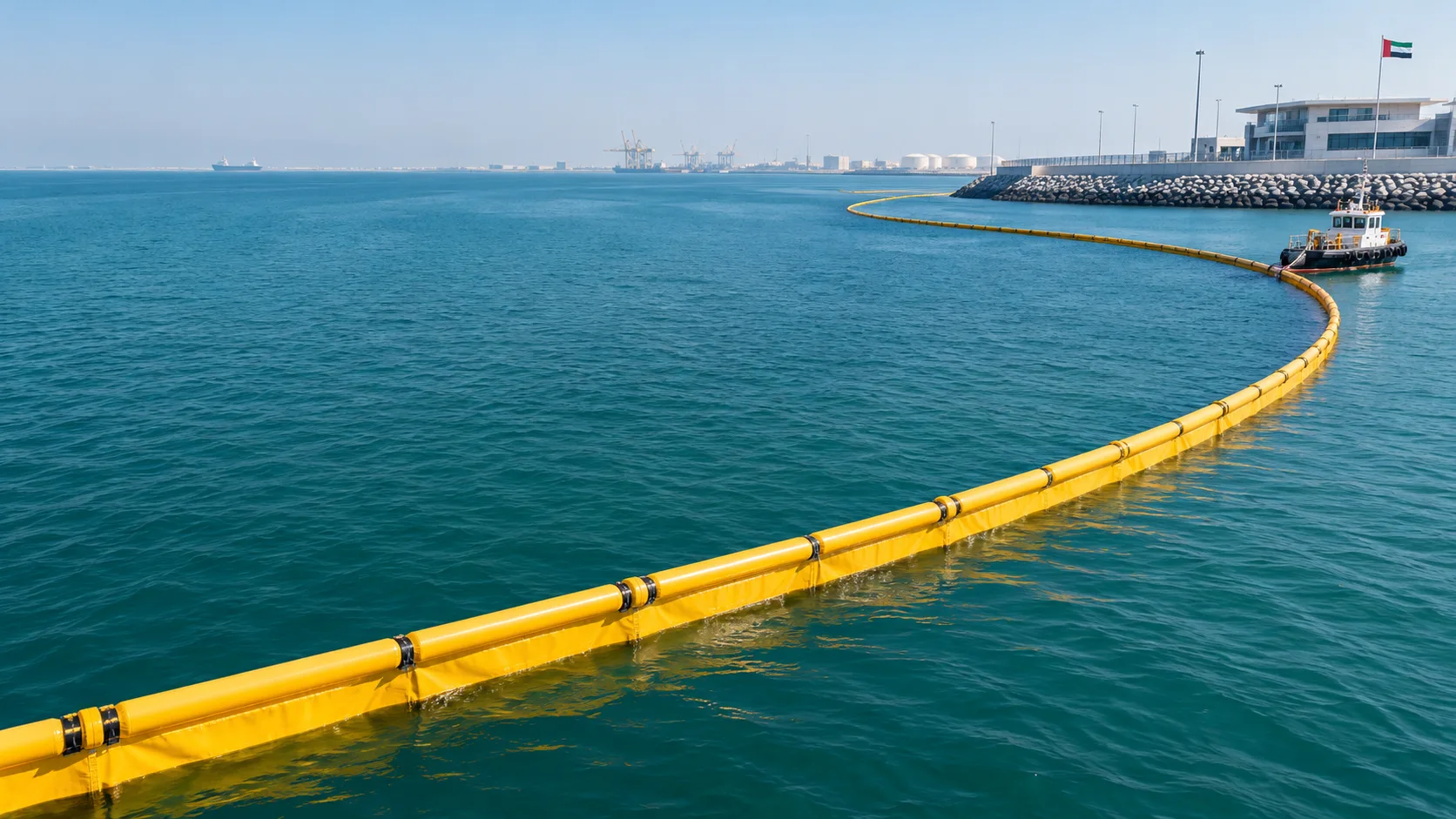
The images explain generic product construction and marine activities. They are AI-generated illustrations, labelled as such, and are not presented as evidence of completed projects, customer relationships or a particular model’s certified performance. Refer to the quotation and manufacturer documentation for the proposed equipment.
How to learn about marine barriers before a project
A useful enquiry begins with the problem in the water. Floating oil, suspended sediment and surface litter behave differently, so each requires a different containment approach. A visible swimming boundary has another purpose again: it marks an area rather than removing pollution. Start with that objective, then use the product pages to compare the equipment categories. This is a practical way to learn about marine barriers without assuming that one design can serve every application.
Compare the complete arrangement
The floating barrier is one part of a working system. Connectors, end attachments, anchors, mooring lines, handling equipment and inspection access also affect the final arrangement. Ask which items are included in the proposed package and which must be supplied separately. A quotation should distinguish supply from installation, transport, retrieval and ongoing maintenance. These details help different proposals describe the same requirement, making comparisons clearer.
Separate general guidance from a project specification
Information about marine barriers explains typical construction and operating limits. It does not replace a site assessment, a manufacturer datasheet or an approved deployment plan. Water depth, current direction, waves, tide changes, vessel movements and working access influence the choice. Share available measurements and identify any information that is still uncertain. Avoid treating an illustration or a general product name as proof of a particular model’s dimensions or performance.
Prepare a focused first discussion
State the location, intended activity, barrier length, expected deployment period and the material or boundary to be managed. Describe whether the water is sheltered or exposed and whether the barrier will remain in place or be moved regularly. If you have drawings or site photographs, mention that they are available and ask for the appropriate way to share them. Include a contact number or email address so the business can clarify the brief.
Check responsibilities before proceeding
Confirm who will arrange site access, permissions, installation, inspections, cleaning and eventual removal. Where collected oil or debris must be handled, agree the relevant collection and disposal responsibilities separately. Marine Barriers UAE’s website supports this initial discussion through product explanations and enquiry channels. The confirmed equipment, service scope, documentation, availability and commercial terms belong in the project quotation, rather than being inferred from a general website description.
A project brief about marine barriers: five parts
1. Explain the purpose and location
Describe the activity and the result you need, rather than starting only with a product name. For example, identify whether the concern is oil on the surface, sediment from marine work, drifting litter or the boundary of a swimming zone. Name the emirate and explain the type of waterfront involved. A port berth, a sheltered marina and an exposed beach create different discussions. When reading about marine barriers, use these differences to identify the questions that still need a site-specific answer. Questions about marine barriers should distinguish surface containment from sediment control.
2. Record the available dimensions
Provide the intended barrier route or approximate length and explain how that measurement was obtained. For curtains, identify the required working depth and any available bathymetric information. Note changes in water level and any known obstructions. If measurements are preliminary, label them accordingly. The purpose of an initial enquiry is to establish what can be reviewed and what remains to be confirmed; approximate figures should not silently become final fabrication dimensions. Discussions about marine barriers should identify the source and date of each measurement.
3. Describe access and handling
Explain where equipment can be delivered, assembled, launched and recovered. Mention limitations on vehicles, lifting equipment, workboats or personnel access where these are known. A compact storage arrangement does not automatically mean that deployment requires little space or effort. Ask about the handling method, packing format and equipment needed for the proposed design. These practical details help connect the product discussion with the way work will actually be organised at the site. Information about marine barriers should include the proposed launch and recovery method.
4. Identify documentation requirements
List any client specifications, drawing formats, inspection requirements or material documents that must accompany a quotation. Ask which manufacturer documents are available for the proposed equipment and whether a particular requirement can be met. General illustrations and descriptions are useful for understanding a category, but they do not establish certification, compliance or acceptance for a specific project. Any such requirement should be checked against the relevant documentation before procurement or deployment decisions are made. Claims about marine barriers should be supported by documents for the quoted equipment.
5. Agree the next review step
Keep the initial request focused on the information needed for a useful response. Ask which details require clarification, what scope is being quoted and whether any supporting drawings should be shared later. Confirm the responsible contacts on both sides and record any changes to the brief. Learning about Marine Barriers UAE through this website can help you prepare that discussion, while the final technical and commercial decisions remain tied to the written project requirements and the confirmed quotation. Keep a written record of advice about marine barriers and the assumptions still awaiting confirmation.